Seasonal Harvest Checklist for Market Gardeners
Peak quality is a window, not a date on the calendar. A lettuce that is perfect on Tuesday is compost by Friday, and a courgette left two days too long becomes a marrow that nobody at the stall wants to pay for. Growers who consistently sell the best produce are not guessing. They walk the plot with a knife, a notebook and a plan, checking the same indicators in the same order every week.
What follows is a working checklist for the season: what to look at, what to feel for, and what to do the moment a crop is ready. Print it, pin it up in the pack shed, and pencil in dates as your own ground and microclimate shift the schedule.
Start With the Season, Not the Calendar
Your last frost date and your soil temperature set the pace, but they only get you close. Two plots ten miles apart can run a fortnight apart in spring, and a field with dark, free-draining soil will be picking a week before the heavy clay next door. The calendar is a prompt; the plant is the authority.
Walk the beds twice a week with a knife and a bucket. Taste as you go — a single pea pod or a leaf of spinach will tell you more about sugar and tenderness than any note in a seed catalogue. Note the date each crop hits its best window, and next year you will have a harvest schedule written by your own ground rather than borrowed from someone else's.
Early Season: Leaves, Roots and First Pods
Salad and leafy greens
- Cut-and-come-again leaves: harvest when leaves are 8–12 cm long and still glossy; once they turn leathery or start to yellow at the base, flavour drops sharply.
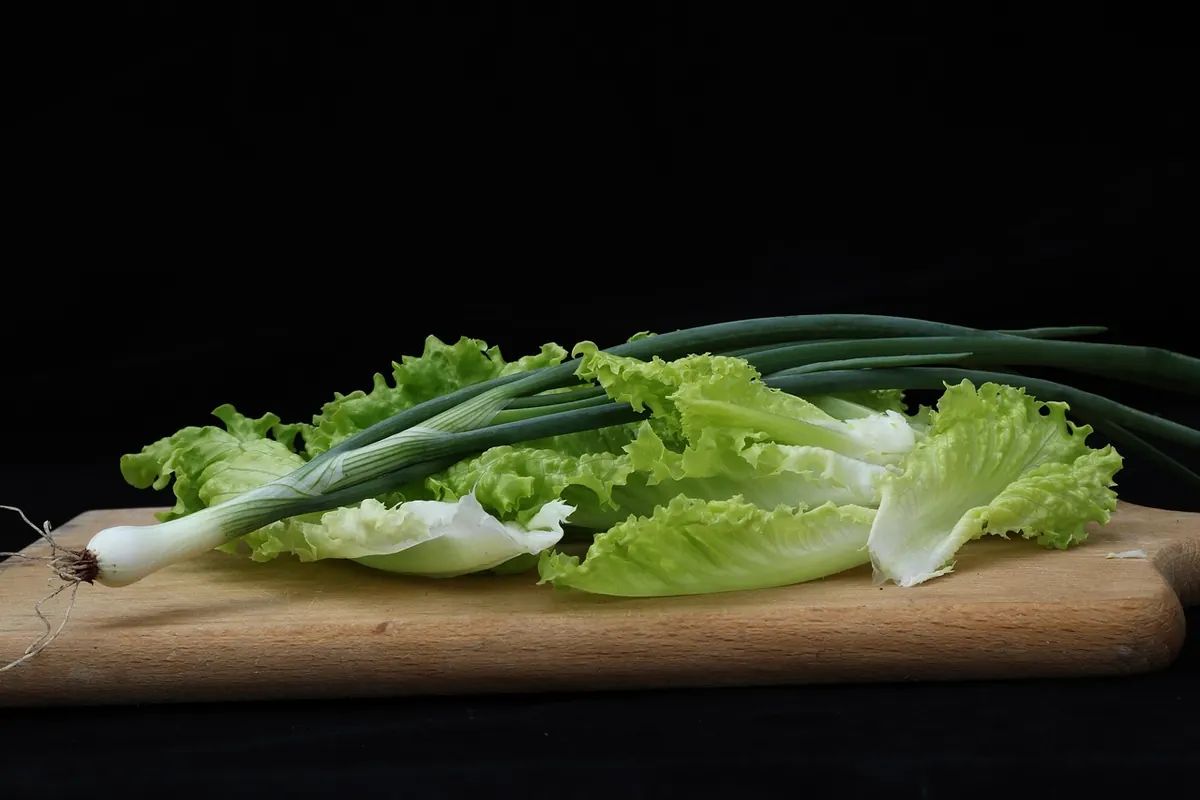
- Hearting lettuces: the head should feel firm but give slightly when pressed. Check the base daily in warm spells — bolting begins there before the stem shoots.
- Spinach and chard: pick outer leaves at 12–15 cm. In long days, watch for flower stems and cut the whole plant before they harden the leaf.
- Rocket and mustard: cut young and cool. Heat and drought push the pungency past what most customers want.
Radishes, turnips and baby roots
Pull radishes at golf-ball size, while the shoulder is still round and the skin glossy. Once they crack or turn woody, they are only fit for the compost. Baby turnips and beetroot follow the same rule: lift one, cut it open, and judge by texture rather than by how long they have been in the ground. Thin them early so the roots you leave have room to swell evenly.
Peas and broad beans
Pick peas when the pods are filled but the seeds inside are still round and sweet, not dimpled against each other. Broad beans taste best at pencil thickness; older beans need their skins slipped, which costs time you will not get back. Harvest in the cool of the morning and get them into shade immediately — pod sugars turn to starch fast.
Midsummer: Fruiting Crops at Full Colour
Cucurbits
Courgettes should be 12–18 cm long with skin you can mark with a thumbnail. Cucumbers are ready while the tip is still firm and the colour even; yellowing at the blossom end means they are past it. For pumpkins and winter squash, ignore the calendar entirely and check the stem — it should be corky and dry, and the skin should resist a fingernail.
Tomatoes, peppers and aubergines
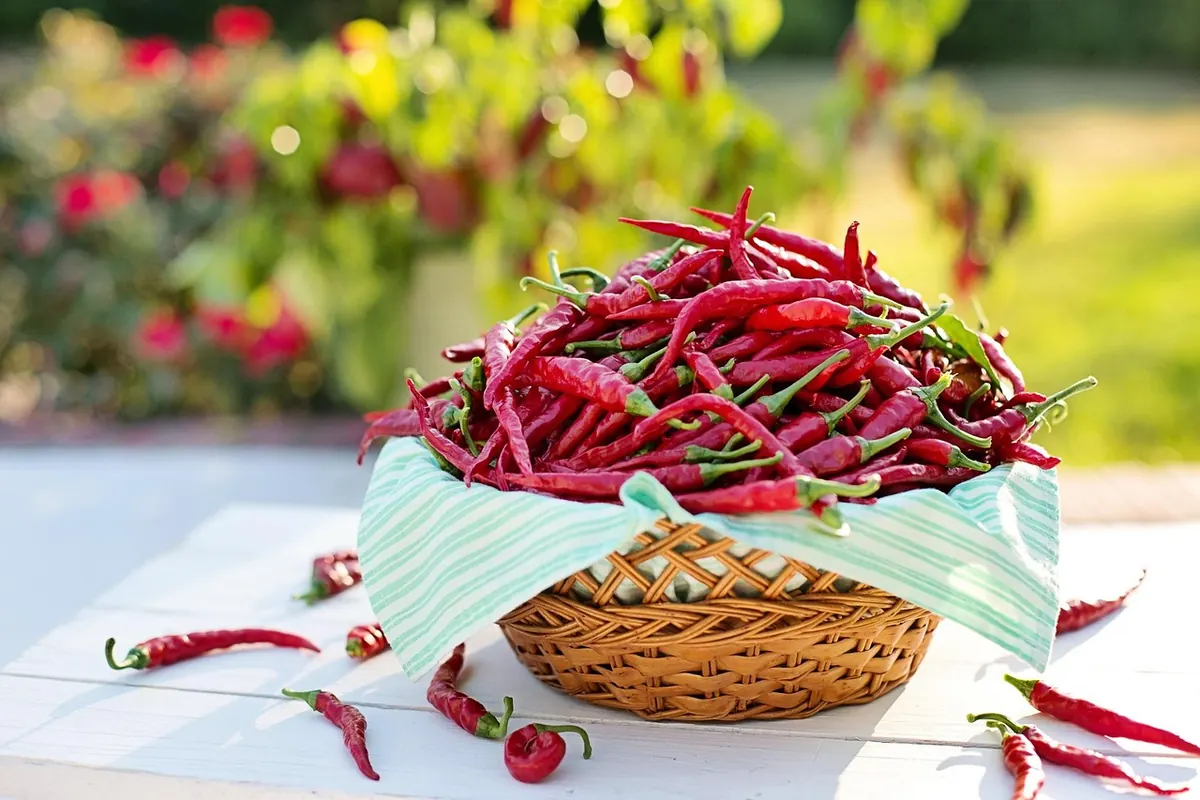
Pick tomatoes at first colour break if they have a long journey, or fully coloured for same-day sales. Flavour peaks when the fruit slips easily from the vine with the calyx attached. Peppers are ready when the walls feel thick and firm; aubergines when the skin is so glossy it squeaks under your thumb and the fruit feels heavy for its size.
Beans and sweetcorn
French and runner beans are at their best at pencil thickness, before the seed bulges show through the pod. Sweetcorn is ready when the silks are brown and dry, the ear feels full to the tip, and a pressed kernel runs milky rather than clear or doughy. Cook or chill within hours — sweetness falls away quickly after picking.
Late Season: Storage Crops and Winter Greens
Onions and garlic are ready when the tops fall over and the necks begin to dry; lift them with a fork and cure them in the air rather than on damp ground. Maincrop potatoes for storage should be lifted once the haulm has died back and the skins have set — rub a tuber with your thumb, and if the skin stays put, they are ready. Winter brassicas are cut when the head is tight and heavy; check the base regularly, because a split head happens overnight after rain.
Taste a sample from every bed before you commit the whole row. One bite costs nothing; a crate of overgrown courgettes costs a market morning.
The Indicators That Beat the Calendar
Whatever the crop, the same handful of tests will get you close:
- Size and shape: the variety's typical dimensions, not the biggest one in the row.
- Feel: firmness, weight for size, and whether the fruit slips easily from the plant.
- Colour: even, typical colour, with no dulling or yellowing.
- Sound and smell: a hollow tap on melons, the sweet scent of ripe fruit near the stem.
- Taste: the only test that matters for flavour.
- Weather ahead: if three days of heat or heavy rain are coming, bring the harvest forward.
Harvest-Day Habits That Protect Quality
Harvest early, while the field is cool, and treat every crate as if it were going straight into a shop chiller. Keep cut greens in the shade, get them cold quickly, and never leave produce sitting in a sunny trailer between beds. Stack crates shallow so the bottom layer is not crushed, and handle squash and pumpkins by the fruit rather than the stem. Sharp knives and clean buckets take minutes to sort out and save hours of sorting later.
Print It, Use It, Adjust It
Laminate a copy, hang it where you pack, and tick through it at the start and end of every harvest day. Add your own notes: the date each crop peaked, the varieties that held well, the beds that needed a second sowing to fill a gap. Within a season or two, the checklist stops being a generic list and becomes a record of how your garden actually behaves — which is the most useful harvesting tool you will ever own.
Photo: JillWellington / Pixabay

A Beginner's Guide to Soil Testing for Vegetable Gardens
Learn how to take a representative soil sample, read a lab report without panic, and amend your beds in...

No-Till vs. Tillage in Market Gardening: Pros and Cons
A practical comparison of no-till and tillage for market gardeners, covering soil health, weed pressure,...